Tree pruning in Plumstead
If you are looking for Tree pruning in Plumstead, you probably want more than a quick trim. You want healthy trees, a safer garden, tidier boundaries, better light, and work carried out by a local team that understands the mix of homes, roads, and business premises across the area. That is exactly what professional pruning is for: shaping trees correctly, improving their condition, and managing growth so your outdoor space stays practical as well as attractive.
In Plumstead, trees are part of the character of the neighbourhood. From family gardens near older terraced streets to larger plots, shared accessways, and commercial spaces that need regular maintenance, pruning needs to be done with care. Different species respond differently, and a poorly judged cut can create problems that take years to undo. Good pruning supports the tree’s natural structure while helping you avoid overgrowth, low branches, blocked paths, and unnecessary strain on limbs.
Local tree pruning services matter because every site is different. A tree that is fine in a spacious rear garden may be awkward beside a driveway, a fence, a utility line, or a shop frontage. A local team can assess the whole setting, work around parking and access limitations, and choose the right approach for the tree, the property, and the season. If you need advice on a single ornamental tree or several mature specimens, this page explains how we help Plumstead customers make the right choice.
Professional tree pruning for Plumstead properties

Tree pruning is the selective removal of branches, shoots, or stems to improve structure, encourage healthy growth, reduce risk, and keep a tree suited to its surroundings. It is not the same as simply cutting a tree back. Proper pruning considers the species, age, condition, and purpose of the tree, as well as what the customer wants to achieve. That may mean lifting the canopy, thinning the crown, removing deadwood, or shortening growth that is becoming difficult to manage.
For tree pruning in Plumstead, many customers contact us because their trees are affecting light, blocking access, brushing roofs, or starting to look untidy after a period of rapid growth. Others are dealing with trees that were previously cut too hard and now need a more thoughtful approach. Our aim is to restore balance and structure, rather than simply removing as much as possible. Well-planned pruning often makes a tree look better while also making it safer and easier to live with.
Properties in Plumstead can present a wide range of pruning needs. You may have a front garden with limited working space, a rear garden with neighbouring boundaries close by, or a commercial property where appearance and access both matter. We also regularly deal with mature trees in tighter residential streets where careful handling is essential. In those situations, the details matter: access routes, parking, nearby planting, fences, sheds, and overhead obstacles all affect how the work is carried out.
Why pruning is important for tree health
Pruning is often thought of as a cosmetic task, but the health benefits are just as important. Removing dead, diseased, rubbing, or crossing branches can reduce the chance of decay spreading and help the tree direct energy into stronger growth. A well-pruned tree is less likely to develop weak points, and a balanced crown can cope better with wind and seasonal weight from leaves or rain.
Regular maintenance pruning can also help younger trees establish a strong framework. This is especially useful in gardens where trees are planted for privacy, screening, or future shade. Early pruning can shape the tree in a way that reduces future problems, rather than leaving the tree to develop awkward stems or crowded branches that later need larger cuts.
In more mature trees, pruning should be more restrained and selective. Removing too much at once can stress the tree, encourage weak regrowth, or leave large wounds that take longer to close. A skilled local arborist will aim to keep the tree stable and healthy while achieving the customer’s practical goals. That balance is one of the main reasons people choose experienced tree pruning services rather than attempting the work themselves.
What our tree pruning service includes
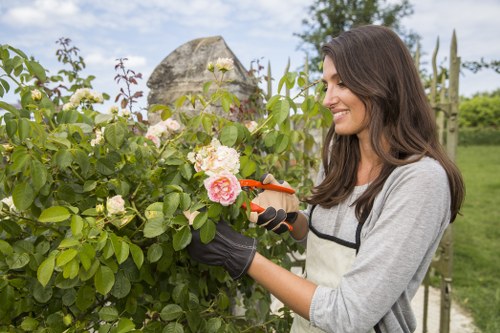
Customers often want to know exactly what is included when they arrange pruning. The answer depends on the tree and the site, but a professional service usually starts with an inspection and a discussion about what you want to achieve. That might include improved light into a garden room, clearance above a path, reduced shading over flower beds, or the removal of weak growth from a boundary tree.
Our approach to tree pruning in Plumstead typically covers careful assessment, the right pruning method for the species, safe working practices, and the tidying of the site afterwards. We take the time to consider the size of the tree, the condition of the branches, and whether the tree has previously been pruned badly or unevenly. If there are signs of disease, storm damage, or structural weakness, those issues are factored into the work plan.
Many customers also want reassurance that the work will be done neatly. A professional team does not just cut branches and leave. We aim to work in a controlled way, keep disruption down, and clear away the waste generated by the pruning. For many Plumstead households and businesses, the convenience of having the debris removed properly is a major part of the service.
Typical pruning operations we carry out
Depending on the tree and your aims, pruning may involve one or more of the following:
- Crown thinning to reduce density and improve light penetration and air movement.
- Crown lifting to raise the lower canopy for access, clearance, or visibility.
- Crown reduction to reduce spread or height in a controlled way.
- Deadwood removal to take out dead or failing branches that may fall.
- Formative pruning for younger trees to build a better structure.
- Selective branch removal where branches are rubbing, crossing, or growing in the wrong direction.
We will always choose the method that best suits the tree’s condition and your priorities. Sometimes a light intervention is all that is required. In other cases, a more involved prune is needed to bring an overgrown tree back into a manageable shape. Either way, the aim is to preserve the tree’s strength and appearance while making it more suitable for its environment.
Good pruning is measured by what is left as much as what is removed. That is why trained tree specialists pay close attention to branch angles, natural form, and the tree’s future growth pattern. A balanced finish is usually better than a hard cut that forces unpredictable regrowth.
Common reasons customers book pruning in Plumstead

There are many reasons customers ask for tree pruning in this area, and most are practical. One of the most common is light management. Trees can cast heavy shade over gardens, conservatories, patios, and side returns, especially where plots sit close together. Light pruning or crown reduction can make a major difference without removing the tree altogether.
Another frequent reason is clearance and safety. Branches that overhang drives, paths, roads, or boundaries can become a nuisance or a hazard. In wet or windy weather, low limbs can scrape vehicles, block sightlines, or drop debris where people walk. In those cases, careful pruning creates better access while keeping the tree stable and visually acceptable.
Customers also book pruning when a tree is becoming too large for the setting. This is common in gardens where trees were planted when the property looked more open, but years later the branches are starting to dominate the space. A local pruning service can help you regain control without removing a tree that still has value for shade, privacy, or wildlife.
Residential and commercial tree pruning needs
We work with both residential and commercial customers in Plumstead. Homeowners often need seasonal maintenance, overgrown tree reduction, or help restoring a tree after years of neglected growth. Landlords and managing agents may need work carried out to keep communal gardens usable and to reduce complaints about blocked light or overhanging branches.
For commercial premises, tree pruning can support presentation, access, and safety. Retail forecourts, office entrances, car parks, and service yards may all benefit from selective pruning. Trees that hide signage, interfere with lighting, or create tight access points can be managed so the site remains functional and professional-looking. Businesses often need the work done efficiently and with minimal disruption, which is another reason to use an experienced local team.
In both settings, the same principle applies: the work should suit the site. What works in one garden may not be appropriate for a front-facing business property or a shared boundary near neighbouring homes. By tailoring the pruning to the situation, we help customers in Plumstead get lasting value from the service rather than a short-lived tidy-up.
Areas around Plumstead where tree pruning is commonly needed
Plumstead has a mix of property types and tree settings, and nearby areas often share similar issues. We regularly help customers in and around Woolwich, Abbey Wood, Thamesmead, Welling, Greenwich, Charlton, and parts of Eltham where gardens, roads, and commercial plots all have different pruning demands. Local conditions such as narrow side access, shared rear entries, and limited on-street parking can all affect how the job is planned and completed.
If your property sits close to neighbouring homes, a public walkway, or a busy access road, it is especially helpful to use a team that understands how to work neatly and safely in tight spaces. Local knowledge can make the whole process smoother from the first visit to the final clear-up.
Book your service now if your tree is becoming difficult to manage, and we will help you decide on the right pruning approach for your property.
How our pruning process works
We keep the process straightforward so customers know what to expect. It begins with an initial discussion about the tree, your concerns, and the result you want. This may be a shape correction, a safety issue, seasonal maintenance, or a more specific aim such as improving sunlight into a patio or stopping branches from brushing a roofline.
The next step is a site assessment. This is where the tree is checked for size, structure, access, and any signs of damage or decay. We also look at what is around the tree: fences, sheds, outbuildings, driveways, neighbouring boundaries, paths, and overhead constraints. In Plumstead, this step matters because many jobs involve some level of access challenge or proximity to neighbouring properties.
Once the work plan is agreed, the pruning is carried out using suitable tools and safe working methods. The team works methodically to remove the selected branches, maintain the tree’s shape, and avoid unnecessary disturbance. We then clear the waste, leaving the site tidy and ready to use again. The aim is to make the job feel organised and manageable from start to finish.
What happens during a typical appointment
- We discuss your concerns and what you want the tree to achieve.
- We inspect the tree and the surrounding area.
- We agree on the pruning approach and identify any access needs.
- We complete the pruning with care and control.
- We remove debris and leave the property tidy.
This structured approach helps avoid confusion and ensures the work is aligned with your expectations. If there are several trees on one property, or if different pruning needs are involved, we can usually plan the work so it is done in the most practical order.
Many customers appreciate that pruning is not rushed. A careful job means better results for the tree and fewer headaches for the property owner. It also helps avoid common mistakes such as overcutting, removing the wrong branches, or leaving the canopy unbalanced.
Preparation checklist for customers
Good preparation can make a pruning visit smoother and quicker. While we handle the tree work itself, there are a few simple steps that help create a safer, more efficient working area. This is particularly useful where access is tight or where parking is limited, both of which can happen in Plumstead’s residential streets and shared-access properties.
Before the appointment, it is helpful to clear the area around the tree where possible. Move garden furniture, ornaments, washing lines, tools, or lightweight planters away from the working zone if you can do so safely. If the tree sits close to a shed, greenhouse, or fence, make sure any fragile items nearby are protected or relocated in advance.
It is also useful to think about access. If the team needs to get equipment through a side gate, a rear passage, or a shared driveway, please make sure those routes are available. Where parking is restricted, local knowledge helps us plan, but letting us know about access issues in advance makes the visit more efficient. If the tree is near overhead cables, boundary lines, or neighbouring gardens, it is worth highlighting that too.
Simple checklist before work begins
- Move vehicles if access is needed near the tree.
- Clear loose items from the immediate work area.
- Check gates and side entrances can be opened easily.
- Let us know about pets, children, or shared areas.
- Flag any concerns about nearby structures or services.
- Tell us if previous pruning or storm damage is relevant.
Preparation does not need to be complicated. The most important thing is making sure the team can access the tree safely and that you have explained what matters most to you. A short conversation in advance can save time on the day and help produce a better result.
Request a free quote if you would like advice on what preparation is needed for your particular tree and property layout.
Pricing factors for tree pruning in Plumstead
Customers often ask what affects the cost of pruning. While exact prices depend on the job, several factors usually influence the final quote. These include the size and number of trees, the extent of pruning required, and how easy it is to access the site. A small ornamental tree in a spacious garden is very different from a mature tree beside a boundary, roof, or tight rear access route.
The condition of the tree matters too. If there are many dead, damaged, or poorly positioned branches, the work may take longer. Trees that have been neglected for several years can require more careful handling. If the tree is near a structure, public path, or neighbouring property, the additional caution involved may also affect the overall scope of work.
Waste removal can also influence pricing, especially if there is a significant amount of branch material to take away. Some customers want only the pruning itself, while others prefer a full tidy-up and clearance. The best way to get a fair figure is to ask for a site-specific quote based on the actual tree and access conditions. That way, you know what is included before work starts.
Why local knowledge matters for quotes
A team that knows Plumstead is more likely to understand common access issues, parking limitations, and the typical property layouts that affect pruning jobs in the area. That knowledge helps us provide quotes that are realistic and suited to the site, rather than guessing from a distance. It also means we can often anticipate whether a job will need extra time for careful manoeuvring or waste removal.
Local experience is useful for more than pricing. It helps with planning, communication, and understanding the kind of tree-related concerns that come up in the area: light loss, boundary disputes, street-facing trees, and overgrowth around older residential plots. When you choose a local service, you are choosing people who are used to solving those everyday problems efficiently.
Fair pricing starts with accurate information. If you can describe the tree, its location, and the result you want, it becomes much easier to provide a sensible quotation.
Why choose a local tree pruning company
Choosing a local company for tree pruning in Plumstead offers several practical advantages. First, local teams can usually respond more flexibly and are often better suited to jobs that require careful scheduling around neighbours, parking, or commercial opening hours. Second, they are familiar with the types of trees commonly found in the area and the issues that tend to arise over time.
Another benefit is straightforward communication. A local arborist can visit, assess the site, and explain what is happening in plain language. That matters when you are deciding whether a tree needs a light prune, more substantial reduction, or ongoing seasonal maintenance. Customers often prefer working with someone who understands the local environment and can answer questions clearly without overcomplicating the process.
Finally, local services are often better at balancing care and practicality. We know that many Plumstead customers are not asking for extreme changes; they want the tree managed sensibly so it fits their garden or premises. That means preserving the benefits of the tree while solving the issues that prompted the call in the first place.
What customers usually want from pruning
- More natural light into the home or garden.
- Safer clearance over paths, drives, and boundary lines.
- A tidier appearance for front gardens or business premises.
- Better tree health through careful removal of weak growth.
- Less pressure on roofs, fences, and nearby structures.
- A practical, tidy finish with minimal disruption.
These are sensible, everyday reasons to arrange pruning. Good tree work should solve a problem without creating another one. That is why the best results come from considered cuts, proper timing, and a team that knows how to keep the tree looking natural.
Frequently asked questions
How often should trees be pruned?
The answer depends on the species, age, and location of the tree. Some trees benefit from occasional light pruning, while others need regular maintenance because of growth rate or site constraints. Trees close to buildings, driveways, or boundaries may need attention more often than trees in larger open spaces.
Is pruning better at certain times of year?
In many cases, yes. The right timing depends on the type of tree and what you want to achieve. Some species are best pruned during dormancy, while others can be maintained at different points in the year. If you are unsure, we can advise on the most suitable timing for your tree and the condition it is in.
Can pruning damage a tree?
It can, if it is done badly or too aggressively. Overcutting, leaving poor-quality wounds, or removing too much of the canopy can stress a tree. That is why careful planning matters. Proper pruning should improve the tree’s condition or make it easier to manage without causing unnecessary harm.
Do you prune both small and large trees?
Yes. We work on ornamental garden trees, fruit trees, medium-sized boundary trees, and mature specimens where access and structure need careful consideration. The scale of the work changes, but the principle stays the same: prune with care, keep the tree balanced, and finish the job neatly.
What if my tree is near a neighbour’s property?
That is very common in Plumstead. Shared boundaries and close-set gardens are part of the local landscape. We always take the surrounding area into account and work carefully where overhanging branches or access issues may affect neighbours. If cooperation or timing is needed, we can help you think through the practicalities before work begins.
Do you remove the waste afterwards?
Yes, waste removal is typically part of a professional pruning job. Branches and cuttings can be cleared away so the site is left tidy and usable. If you have a specific preference about disposal or site clearance, that can be discussed when the quote is prepared.
Areas covered around Plumstead
Our tree pruning service is available across Plumstead and surrounding parts of southeast London. We regularly work in nearby residential streets, shared-access properties, commercial premises, and larger gardens where access and tree size vary widely. If you are in or around Woolwich, Abbey Wood, Thamesmead, Charlton, Greenwich, Welling, Eltham, or nearby locations, it is worth asking about availability for your site.
Because every job is different, local coverage is not just about distance. It is also about the ability to get to the property, assess the tree in person, and complete the work efficiently without unnecessary delays. That is one of the reasons many customers prefer a local team for ongoing tree care.
Ready to arrange tree pruning?
If your tree is overgrown, blocking light, brushing structures, or simply no longer suited to the space, now is a good time to act. Professional pruning can improve the look of your property, make the area safer, and help the tree remain healthy for longer. Whether you need a one-off prune or regular maintenance, a local service can provide practical advice and a clear plan.
Contact us today to discuss your tree, ask for a quote, or book a visit. If you are comparing options for tree pruning in Plumstead, we are here to help you choose the right approach for your home, garden, or business premises.
Book your service now and take the first step toward a tidier, safer, and better-managed outdoor space.